As winter sets in and frost sticks to trees, beekeepers realize that it’s time to do more than just put honey jars away and pack away their veils. It’s a time of watching and waiting, of maintenance, and most of all, warmth. And that’s where honey blankets step in—not mere words, but an actual lifesaver for hives battling against the harsh cold.
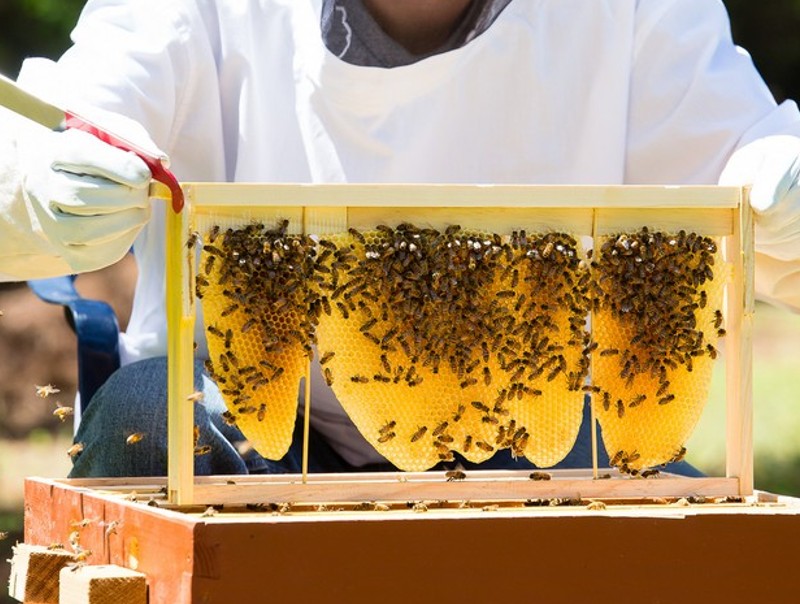
Picture hundreds of minute, whizzing workers packed tightly within the black intestines of their hive, burning calories merely to exist. Their queen lies in the center, relying on them to protect her from death’s cold kiss. Beekeepers have long looked for ingenious ways to see their colonies through the winter, and for many, beekeeping blankets have been the quiet heroes of pre-season prep.
Not Just a Blanket—It’s a Lifesaver
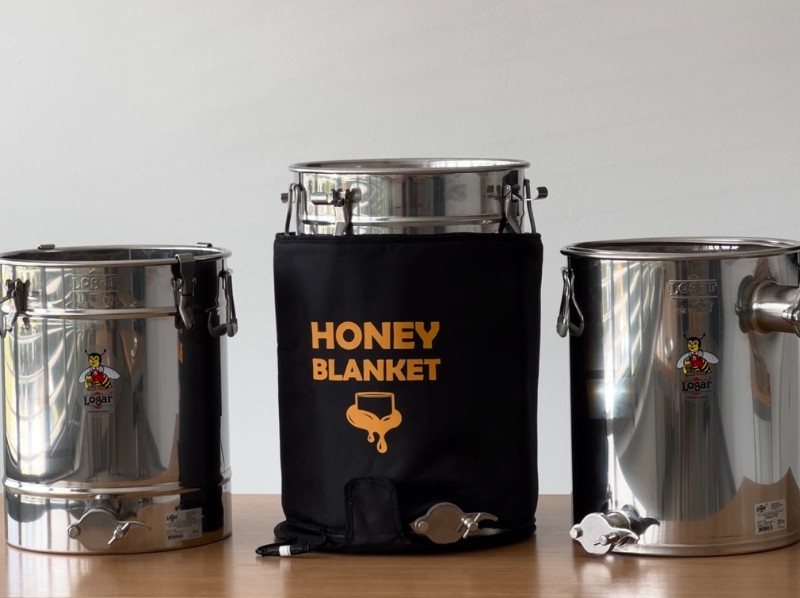
To someone outside the world of beekeepers, the term “honey blankets” is likely to sound like a sweet nickname for a bedtime treat or a jar of sweetness-filled nectar wrapped in affection. But to those elbow-deep in the world of apiary life, it is something far more utilitarian: an insulating blanket intended to assist hives in retaining heat and control moisture levels through the colder seasons.
Reliquefaction involves heating crystallized honey with honey blankets to return it to its liquid state.
Excess condensation and extremes of temperature can quietly destroy even the strongest hives. The blankets prevent this from occurring by managing the climate within the beehive, providing the bees with a reasonable hope of surviving winter without depleting their food supplies too rapidly or getting killed by damp cold.
There is such a fine balance within each hive—temperature, ventilation, and insulation—and as nature conspires, so must the beekeeper. Wrapping a hive in a honey blanket is like giving it a warm hug. It is something that nobody can resist during the time when the world goes white and wild.
Why Moisture is the Hidden Hive Killer
Although cold temperatures may pose a risk to a winter colony, moisture is usually the more insidious, more deadly danger. Within a hive, bees produce heat by shaking their wing muscles and burning honey reserves. That warmth ascends, mixing with the naturally warmer air inside the hive. But when that warm, wet air hits the cold hive roof, condensation takes place. Now, instead of a warm cluster, the bees are subject to a cold, wet rain in their own home—an environment far more deadly than dry cold alone. A wet bee is an extinct bee; they just can’t maintain their body temperature when wet.
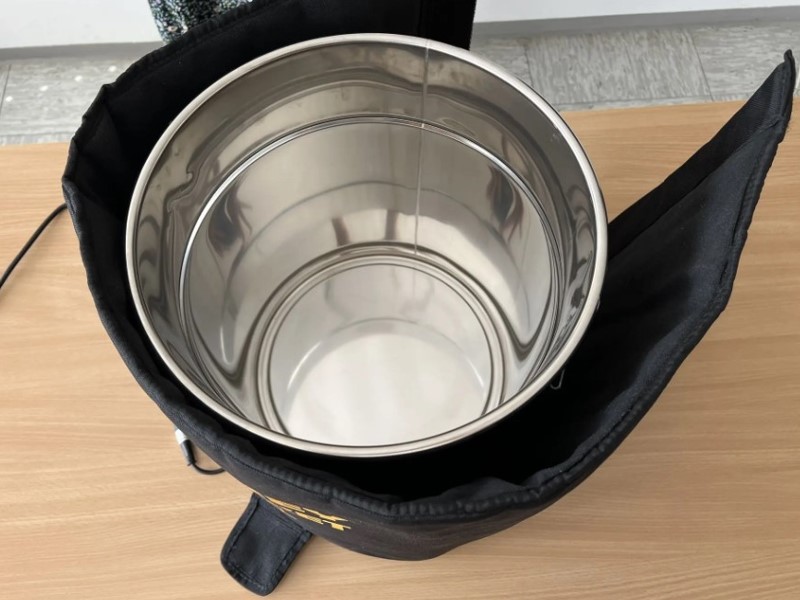
The process opposite to honey crystallization is called “honey liquefaction” or “reliquefaction.” This is best done using honey blankets, which ensure even heat distribution and controlled heating.
This is where beekeeping blankets earn their keep. With built-in breathable insulation, these hive covers allow moisture to vent out and capture precious warmth. They’re not heaters; they create a dry, consistent microclimate—exactly what a winter colony needs. There are blankets that go even further, with moisture-wicking fabrics or condensation panels that pull condensation away from the cluster. Instead of dripping ice water over bees, they redirect or eliminate it. Essentially, a honey blanket replicates what nature cannot do: a dry, insulated, ventilated hive that aids the bees’ struggle to survive the coldest months.
The DIY Spirit Behind Honey Blankets
There’s a sweet DIY ethos among beekeepers, and honey blankets have been a go-to canvas for expressing it. Yes, you can purchase pre-assembled versions on the internet or at supply stores, usually equipped with smooth weatherproof covers and grommets for quick attachment. But plenty of beekeepers prefer to make their own—repurposing old wool sweaters, quilting-up insulated wraps, or using Reflectix or fleece as a lining.
Every homemade honey blanket has a story to tell: a beekeeper who learned through experience, who sewed through experimentation, and who loved enough to spend hours getting it perfect to wrap up a cozy winter coat for their hummin’ brood. It’s half science, half art, and entirely based on love of the hive.
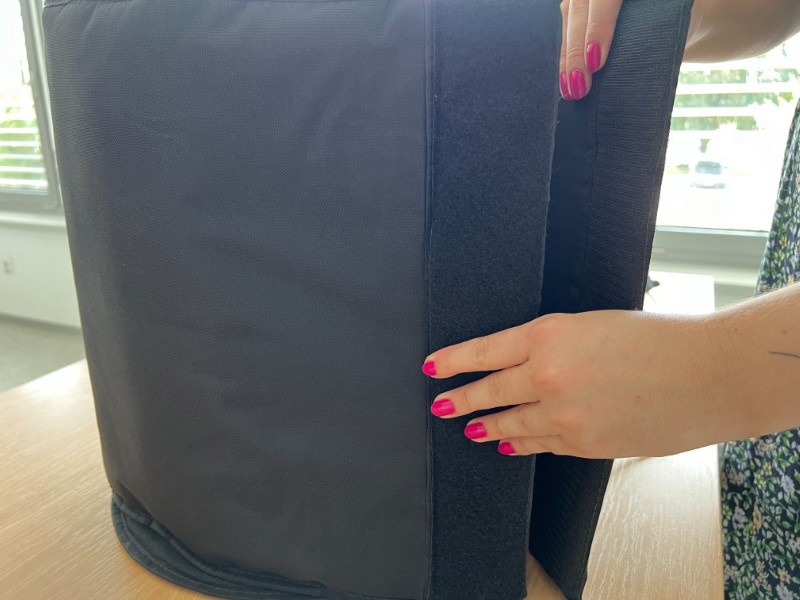
Honey Blankets are made from high-quality material and are durable, flexible, and resistant to wear and tear.
Even experienced beekeepers take pleasure in fiddling with their designs every year, trading information with neighborhood bee clubs, and reporting what worked (and what absolutely didn’t). It’s this shared tinkering that keeps the tradition going and changing.
Comfort for Bees and Beekeepers
There is a type of peace that falls over a hive swaddled in winter clothing. For the bees, it’s a defense. For the beekeeper, it’s comfort. To see snow fall softly over a honey-covered hive is somehow comforting—like knowing your friends are snug and warm in bed.
The reality is, beekeeping is as much about concern as it is reward. One always finds oneself wondering: Did I provide enough food? Will they make it through the deep freeze? Did I do enough thinking? Honey blankets aren’t a silver bullet, but they’re a valuable addition to a beekeeper’s winter toolkit.
Beekeeping shifts gears in the fall, and we start thinking about wrapping our hives for winter. Is it necessary? Is it worth it? Let’s find out and talk about how beekeepers wrap a hive for winter.
And while the bees are nestled deep within the hive, heating the queen and feeding the colony, the beekeeper gets warm with some of theirs—inn the understanding that they provided their bees with every opportunity to welcome the spring sun.
Warmth, Care, and a Buzzing Spring Ahead
By the time spring creeps in and crocuses begin to bloom, the honey blanket is effective. The hive comes back to life—bees hum at the entrance, scout flights begin, and nectar shall once more flow. It is simple to ignore the workhorses of a beekeeper’s kit. Everyone is talking about extractors, hive tools, and queen excluders. But these blankets warrant a little more shine as well. They’re the back-of-the-scenes utility, the silent sentinels through nature’s toughest time.
For new beekeepers, including blankets for beekeeping in winter preparation might be a small addition, but it can be the difference-maker. It’s not about equipment—it’s about gesture. The gesture of cuddling your bees in, of guarding them during the quiet time, is a personal ceremony. One that is in sync with the essence of beekeeping itself: care, patience, and stewardship.
And the next time the weatherman predicts a deep freeze and the winds begin to whine, recall the humble honey blankets. It does not appear impressive, but in its threads is the heat of a thousand busy hearts—awaiting the world to thaw, the flowers to burst forth, and another year of golden sweetness to start.