When looking for the best outdoor pots and planters we have a whole range of materials to choose from and this isn’t always good. Whether it is plastic, glass or modern materials created in the laboratory, every plant, but above all every place, has its own suitable planter.
There are many factors to consider when buying pots, but in particular we will need to be able to choose the best material for our type of plants. To do this, you need to understand how each material performs in a variety of conditions, such as weathering or UV exposure, and consider the maintenance costs of each material over time so that you don’t spend more than necessary on repairs or replacements. In fact, everything is simpler when it comes to indoor pots, but everything changes when we have to consider the outdoor planters, especially if they are very difficult to transport like concrete planters.
Materials for outdoor planters: the factors to consider
When it comes to choosing the ideal material for your planter, here are some important concepts to keep in mind:
Height and Width: The material must be scalable to accommodate both large and small plants. Not all materials support large planters.
Plastic planters are more affordable, lightweight, and resistant to extreme weather conditions. They retain moisture better and are easier to transport and maintain.
Weight: some materials are light and easy to install, move and rearrange, even with large containers (for example this does not happen for concrete planters)
Shapes and style: does this planter fit the design of your garden or terrace?
Location – outdoor planters in high traffic or unsheltered areas must be durable and provide some resistance to atmospheric agents. In addition, planters in a commercial space should always look clean and professional, they should not be mold, rust, chip or leak.
That said, what materials for planters are there?
The Types of Materials: from Concrete and Wooden Planters
There are many different materials for planters on the market but we won’t be able to compare them all. We will therefore look at the two most common types for ease of purchase.
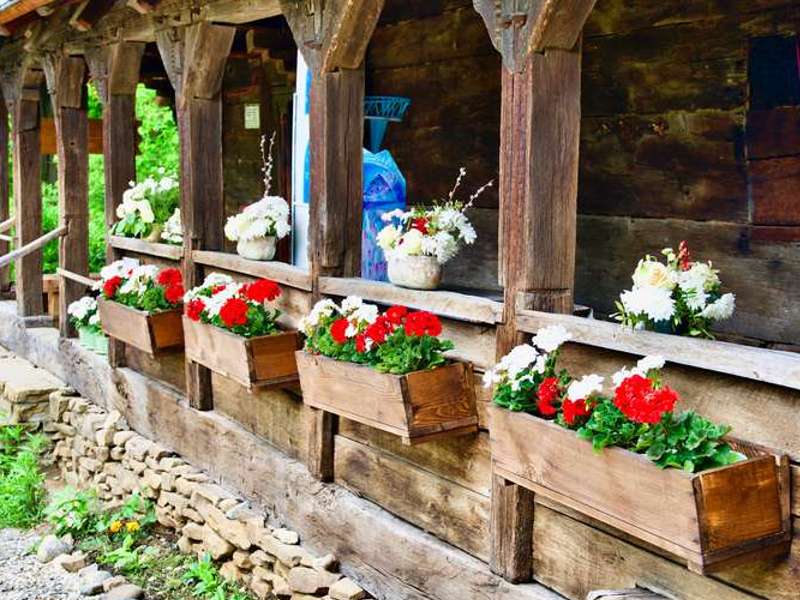
Wooden Planters
There are several types of wooden plant containers. Most are made from pressed wood or rot-resistant wood. A wooden planter doesn’t retain moisture too well, which means the plants will have good drainage.
Wooden planters have excellent drainage, can handle heavy plants, are not very expensive and unbreakable. Wood planters insulate plant roots from the heat of the summer sun and they do not overheat the plants.
In a nutshell: great for small projects and private homes, they look attractive since wood looks great and you can also paint or varnish wooden planters of medium weight. It is relatively easy to move them. Furthermore, it is an ecological material: a natural alternative to plastic containers. However, wood is vulnerable to atmospheric agents and humidity that can cause it to rot. The disadvantages start with high maintenance: wooden planters require frequent care such as rust proof metal bands or nails every year, checking for weather and water damage, and touching up areas with any paint chips. Wooden planters don’t last long. Even if they don’t break, they are prone to pests, rot, cracking.
Concrete Planters
Concrete planters are another nice option for medium sized plants. They have a functional aspect that can feel antique and aged, or cold and industrial depending on your taste. In short, concrete planters are heavier than clay pots for example but with the right maintenance they last really long. These outdoor planters are made from the same concrete used for buildings. Therefore, a concrete planter is as sturdy as a palace and can be used from season to season. Additionally, concrete pots are harder to break than any other material. Thermal Insulation: These outdoor pots can keep the soil at a warm and stable temperature and offer some degree of UV protection. This is suitable for plants from warmer climates and protects the root from large changes in temperature. Concrete planters are heavy therefore, they are suitable for large plants that need a certain stability.
Not everything is perfect though: concrete is a material that is vulnerable to low temperatures. When winter comes, this vase needs no care. Water can enter the pores of the vessel and its expansion and constriction can lead to cracks. The heaviness makes it difficult to move the outdoor planters so it is best to choose the right place to put it before buying and installing one.
In this video, we show you how to create the perfect autumn atmosphere using carefully selected plants and Flamula stainless steel planters – from elegant arrangements to practical ideas for your home, terrace, or garden. You can get them in the Flamula online store.
It goes without saying, however, that the possibility of modeling their shape using original molds makes concrete planters the best option for your outdoor planters.