In the early morning stillness, before the world properly yawns awake, you’ll often find Lila out among her vegetables. There’s dew on the kale, and the basil is already reaching toward the rising sun. But there’s something different about her backyard setup. No sloshing hoses, no wasteful overhead sprinklers spraying like they’ve lost all sense of direction. Just a quiet, steady trickle beneath the surface—welcome to the soothing, soil-loving world of drip irrigation.
This approach is not necessarily the flashiest, like a smart greenhouse or tower gardens in a vertical arrangement on top of a city building, but to those who understand, it’s an unheralded revolution in thinking about water, plants, and what it’s like to truly raise something from seed to sky.
A Love Story Between Water and Roots
Drip irrigation is, literally, water in a precise and deliberate application. Unlike sprinklers that spray water randomly—frequently pouring more sidewalk than ground—this application provides hydration precisely where it will do the most good: to the roots. There’s something powerfully poetic in that. It’s not a matter of flooding the space with excess. It is simply a matter of giving just enough, in the right spot, at exactly the right time.
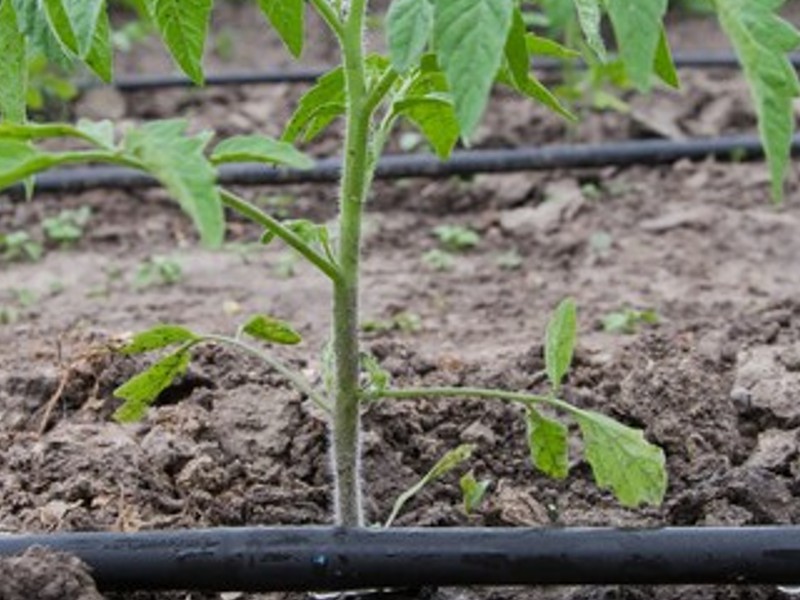
Drip irrigation provides hydration precisely to the roots.
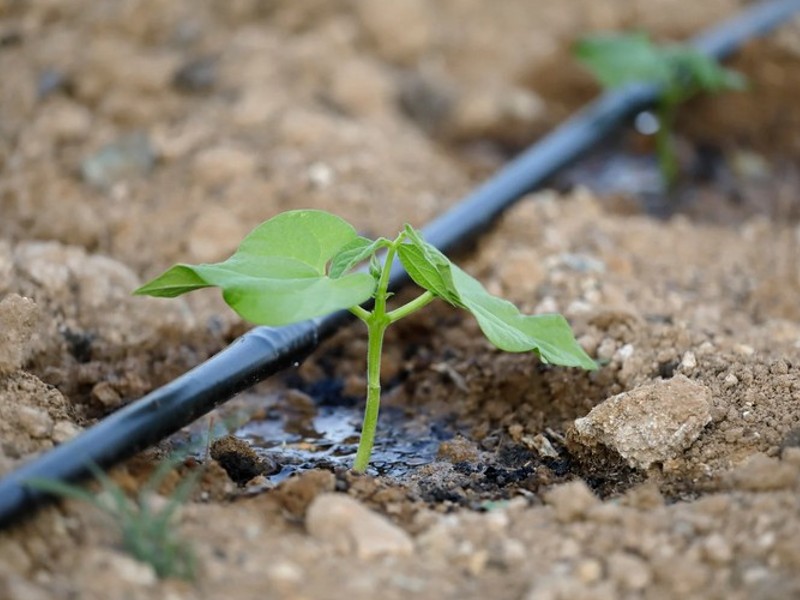
Seeing it work is oddly satisfying. Small drops travel down narrow tubing, to small emitters that breathe water into the soil. It’s the gardener’s version of a whispered secret given straight to the roots. The soil stays damp, the flowers stay happy, and the gardener? Maybe they’ll even get to sleep in today.
When Saving Water Becomes a Superpower
Gardeners and farmers have been struggling with water’s paradox forever: it is both required and increasingly in short supply. Ancient irrigation techniques start to seem like wasteful antiques as climate change restructures rain patterns and lengthens and warms summers. Drip irrigation can help with that; it’s quiet, discreet, and incredibly effective at saving lives.
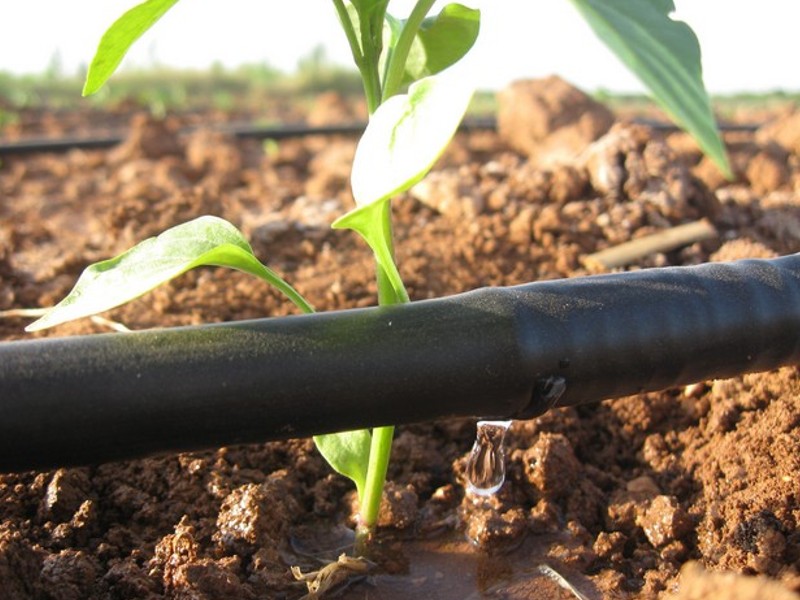
With the drip irrigation system, small drops of water travel down narrow tubing to small emitters that release water into the soil.
You can liken it to the watering system ninja. It reduces evaporation, slows runoff, and keeps that awful heartbreak of waterlogged leaves and mold or mildew at bay. It’s a drought lifesaver. It’s a badge of honor for environmentally friendly growers. And for the forgetful soul who has ever neglected watering tomatoes on a hot day, it’s a godsend with a timer.
A System Built for Lazy Perfectionists
Now, before the term “irrigation” brings to mind visions of engineering diplomas and knotted hose, let’s set something straight. Drip irrigation is not the exclusive domain of big-farm owners or high-tech permaculture nuts. It’s for the average person who over-researches potting soil and dialogues with their cucumbers.
Yes, it does take a little planning to install a drip system. There’s tubing to run out, connectors to snap into place, perhaps a timer to set. But after it’s in, the reward is well worth it. It’s like programming your coffee maker to brew while you’re still half asleep this time around—except this time, it’s your salad that gets the good stuff.
Lila, our gardening pal from earlier, vows it revolutionized her life. “I used to lug this beast of a hose around, and the minute I missed a spot, something would wilt,” she chuckles. “Now, I sip my morning coffee while my garden waters itself. It’s glorious.”
Not Just for Veggie Gardens
Though back-yard gardeners and small farms are perhaps the most prominent supporters of this technique, drip irrigation has even more stealthily entered the unlikeliest of venues. Bedding plant flowers, roof gardens, greenhouses, even indoor potted plants are now enjoying its accuracy.
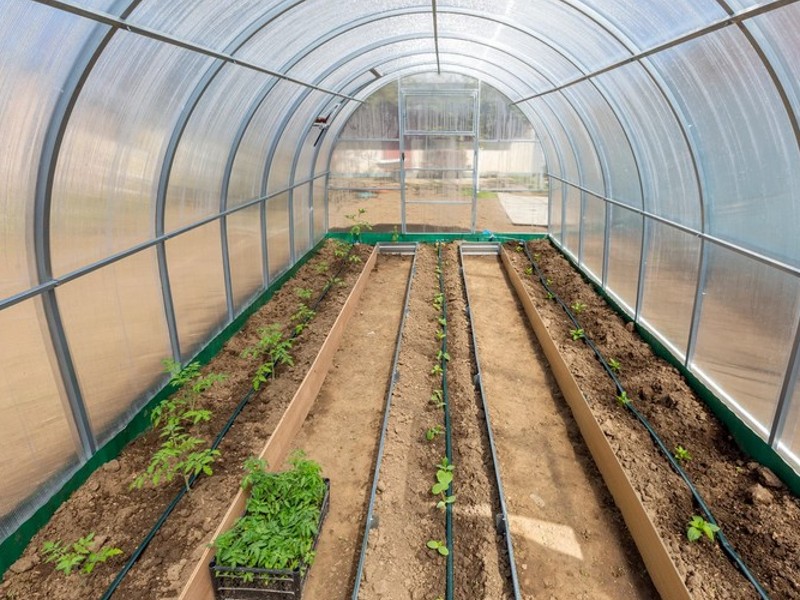
Drip irrigation can also be set up in a greenhouse.
It’s also home in the vineyards, where winegrowers know the magic of moderation. Too much water, and the grapes become huge and flavorless. Too little, and the vines wither. But drip irrigation hits that elegant middle ground—providing enough moisture to flourish without washing away the very nectar of the fruit.
And don’t forget desert landscaping. Where precipitation is quantified in optimistic whispers instead of predictions, drip irrigation doesn’t merely aid in growth—it makes it possible. Picture Arizona bougainvillea blooming or Moroccan lavender fields, all owed to a technique that understands how to stretch a little water an awfully long distance.
The Drip Heard Round the World
Drip irrigation may not be flashy. It won’t grab headlines or dominate TikTok trends. But beneath the surface—quite literally—it’s transforming lives in the most extraordinary way.
This is not about watering plants. In scattered villages around sub-Saharan Africa or the dusty plains of India, unassuming plastic pipes and gravity-fed systems are writing a new chapter in farming. Non-governmental organizations and aid agencies have intervened, supplying cheap drip systems that are so straightforward they border on the miraculous: a slightly raised barrel, dripping water drop by drop into the ground. It’s not difficult. And that is the magic.
These systems have been a lifeline. By providing water directly to the roots of a plant, they significantly lower waste. Crops flourish. Yields increase. Families provide better for themselves. And communities experience a sense of control that was once beyond their grasp. In regions where water availability is a daily concern, drip irrigation provides something rarer and rarer by the day: hope.
What’s so potent about it all is how quietly effective it is. Drip irrigation doesn’t bellow. It doesn’t have to. It’s the consistent heartbeat behind robust farms, thriving cooperatives, and newly food-secure villages. It delivers sustainability without fanfare—a slow, reliable beat that emulates nature’s own method of sustaining life.
One of the most popular questions is: How long should I water my plants? Adam explains the factors determining the proper drip irrigation watering cycle for your plants.
There’s something wonderfully poetic about that. In an age fixated on speed, with waste frequently seeming embedded in the system, this technology provides a soothing foil. It makes us slow down. Focus. Appreciate each drop.
And you don’t have to be a farmer in a rural area, either, to experience its magic. Whether you’re growing strawberries on a skyscraper rooftop or attempting to keep your herbs alive when July temperatures soar, drip irrigation is a silent friend you can’t do enough without. It’s not about plumbing or gardening hacks—it’s about creating a union between effort and outcome, between human hands and living roots.
It won’t demand applause. But once you’ve witnessed what it can accomplish, you might find yourself inclining to offer it a quiet round of gratitude. Because behind most green successes, there’s a drip laboring quietly in the shadows—consistent, humble, and essential.